Maximum authorship.
You decide when to leave, where to pause and whom to avoid. The freedom is real; so is the burden of creating every moment yourself.
Independence without a social structure.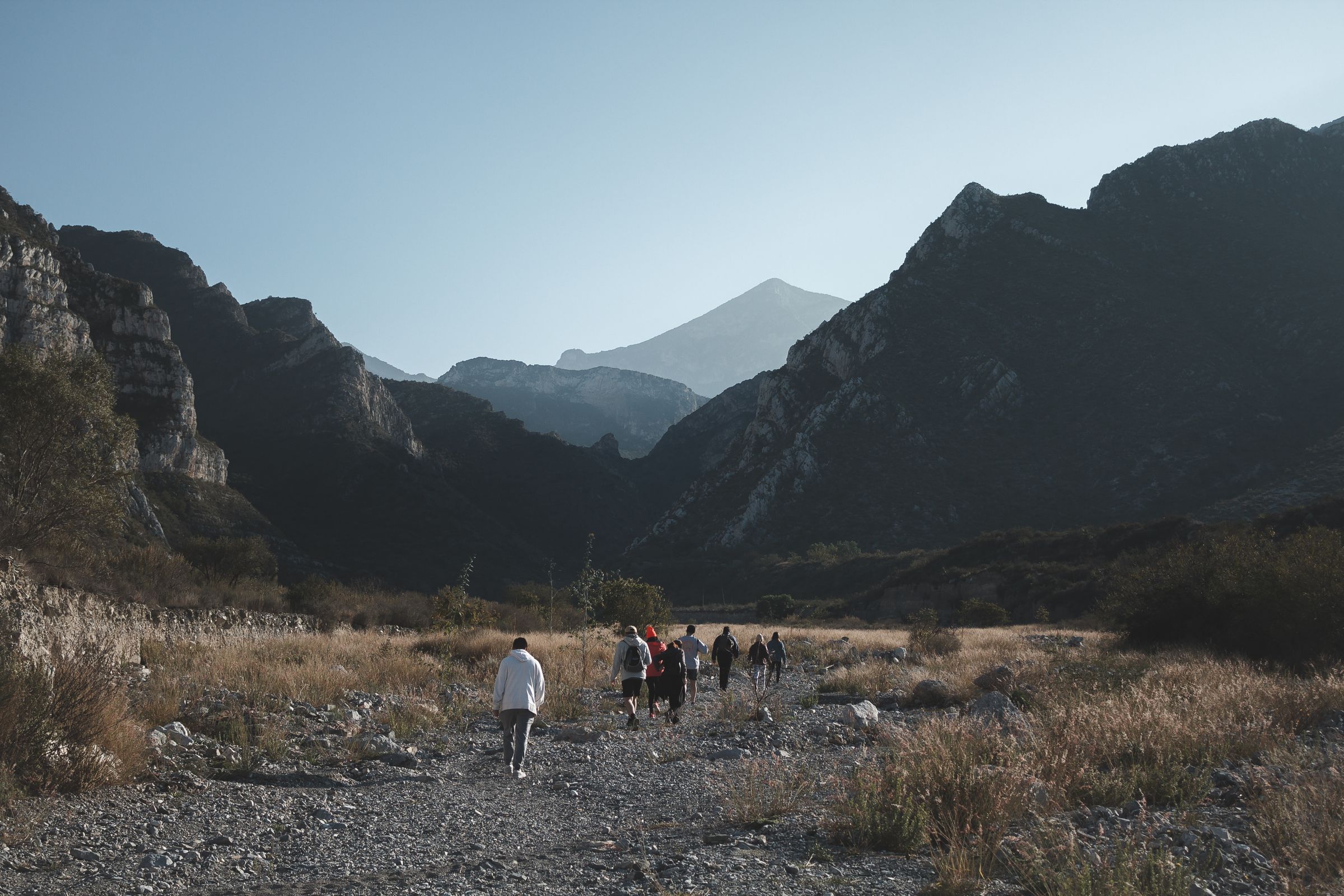
THE XII JOURNAL / EDITION 01
We spend months choosing where to go—and almost no time considering who will change the way we remember it.
01 / THE PROPOSITION
Travel is usually sold through geography: the coastline, the hotel, the table, the view. Yet memory is rarely organised so neatly.
Years later, people remember who stayed behind when the others walked ahead. Who noticed the quiet person. Who changed the direction of dinner with one question. Who made an unfamiliar place feel briefly inhabitable.
Destinations provide the setting. People determine the emotional weather.
The same journey can become expansive, exhausting, intimate or forgettable—without changing a single reservation.
02 / THREE WAYS OF GOING
You decide when to leave, where to pause and whom to avoid. The freedom is real; so is the burden of creating every moment yourself.
Independence without a social structure.The route, timing and group already exist. Logistics become easier, but compatibility is often treated as an accident.
Organisation without careful composition.The journey is designed, but not over-scripted. The group is intentionally formed, yet no relationship is guaranteed or forced.
A structure in which belonging may emerge.03 / WHY TWENTY
Smallness earns its place only when it creates better recognition: names remembered quickly, conversations that can move, and enough difference without anonymity.
A number does not make a group considered. The work begins with what that number allows.
Conversation depends less on charisma than on the ability to notice, ask and listen.
A generous traveller shares access, attention and patience without performing helpfulness.
The strongest groups allow confidence and quietness to coexist.
Travel reveals people through delay, fatigue and surprise—not only through their stated preferences.
05 / THE CONDITIONS
There is a danger in treating people as ingredients in a perfect social recipe. A group selected too aggressively becomes homogeneous. A host who engineers every interaction turns travel into theatre.
Thoughtful curation must leave room for contradiction, privacy and surprise. Its purpose is not to guarantee friendship. It is to reduce obvious incompatibility while protecting the freedom of every person inside the group.
THE TESTWould each person still feel welcome if they chose not to become the most visible member of the journey?
A cohort should not be a row of impressive biographies. It should contain people who make the room more generous.
Not everyone must be outgoing. Quiet observers, initiators and steady presences all change a group.
Belonging cannot be scheduled. Create conditions for conversation, then allow people to choose their own pace.
A collective should make company available—not compulsory. Time alone protects the quality of time together.
A shared challenge, unfamiliar ritual or long table can create connection more naturally than an icebreaker.
The final test is not whether everyone became friends. It is whether the journey changed how they remember the world.
A remarkable landscape may be photographed. A remarkable group changes the meaning of the photograph.
If the place is unforgettable but the people are wrong, was it still a great journey?